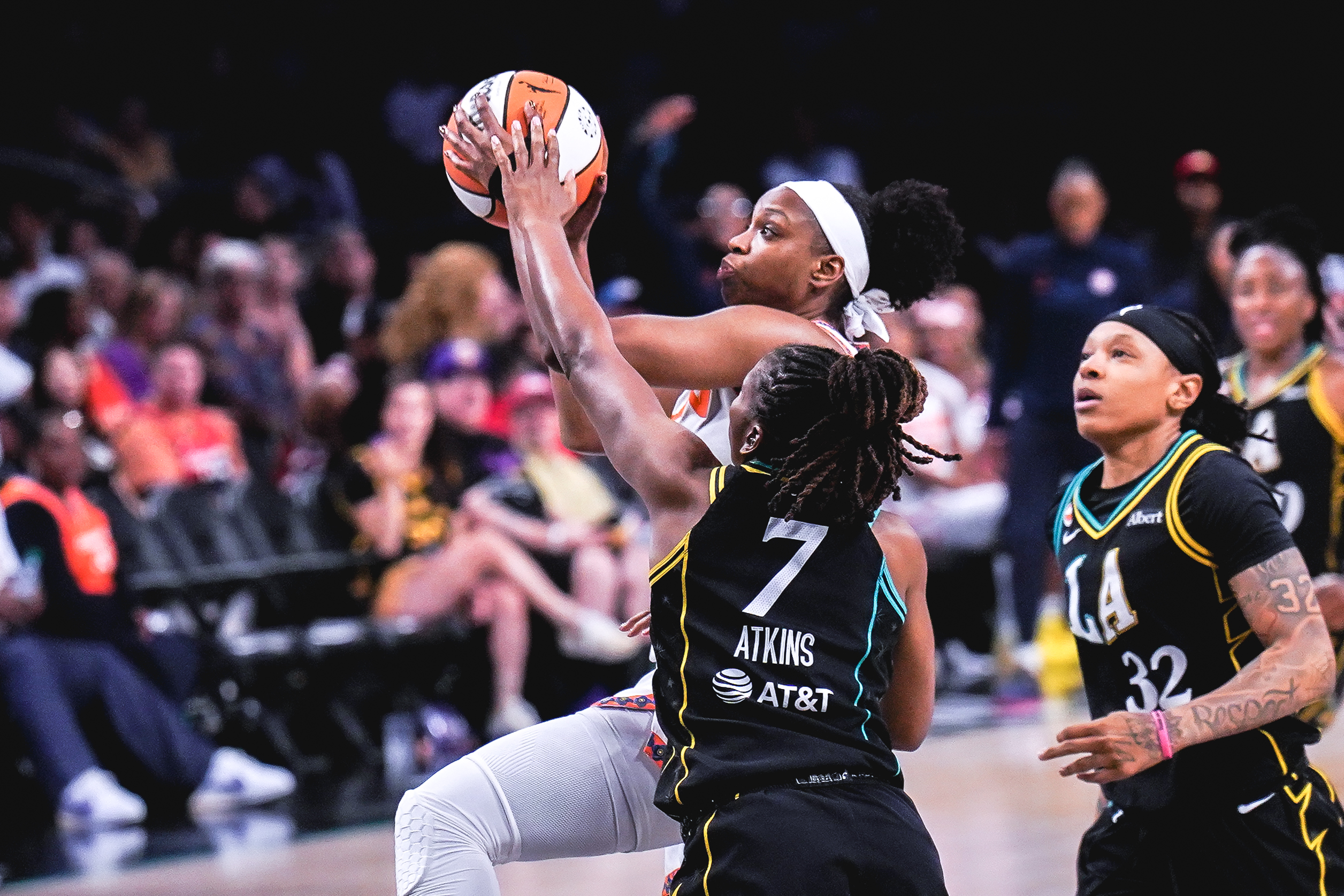
Why Can’t the Sun Break Through? Watching their game in LA up close made me wonder why some teams seem to get more out of the same 40 minutes.
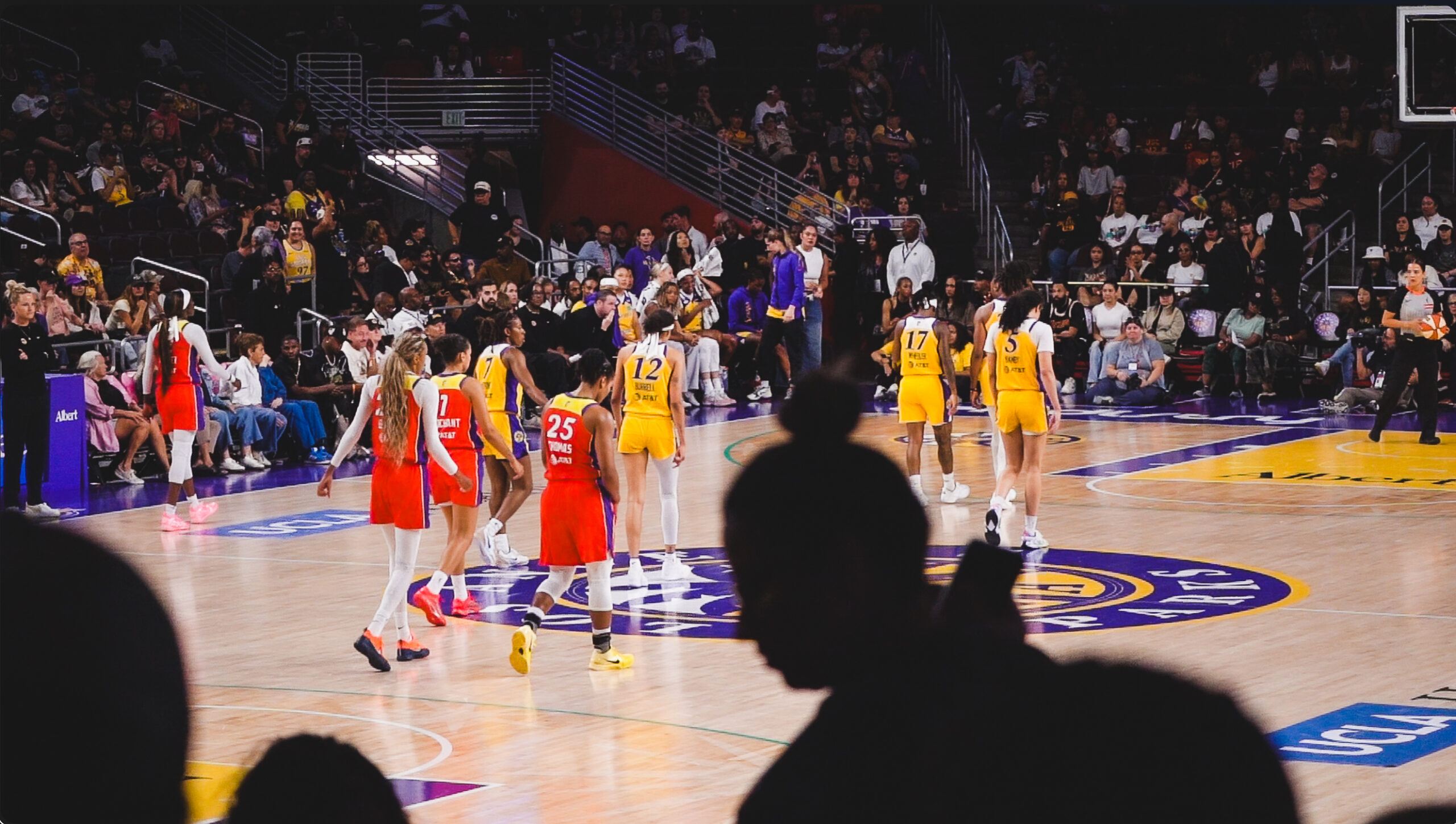
There was a point while photographing the Connecticut Sun against the Sparks when the game started to feel a little strange.
Connecticut was losing, but they weren’t disappearing.
They kept getting hands on basketballs. They kept forcing mistakes. They kept finding ways to make Los Angeles uncomfortable. Even after falling behind by more than 20, the Sun were still pushing, still defending, still making the game feel alive.
Maybe I was predisposed to notice it.
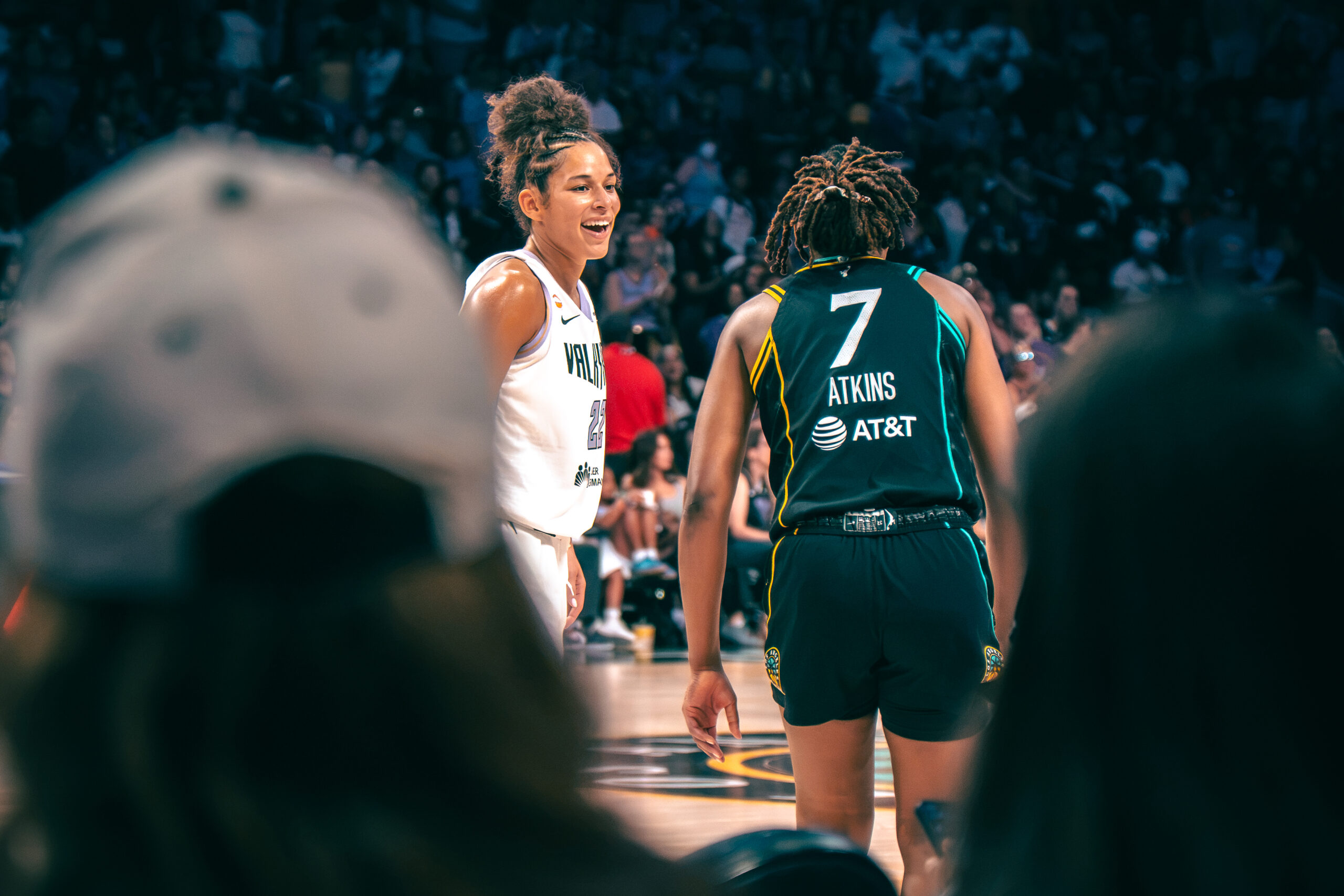
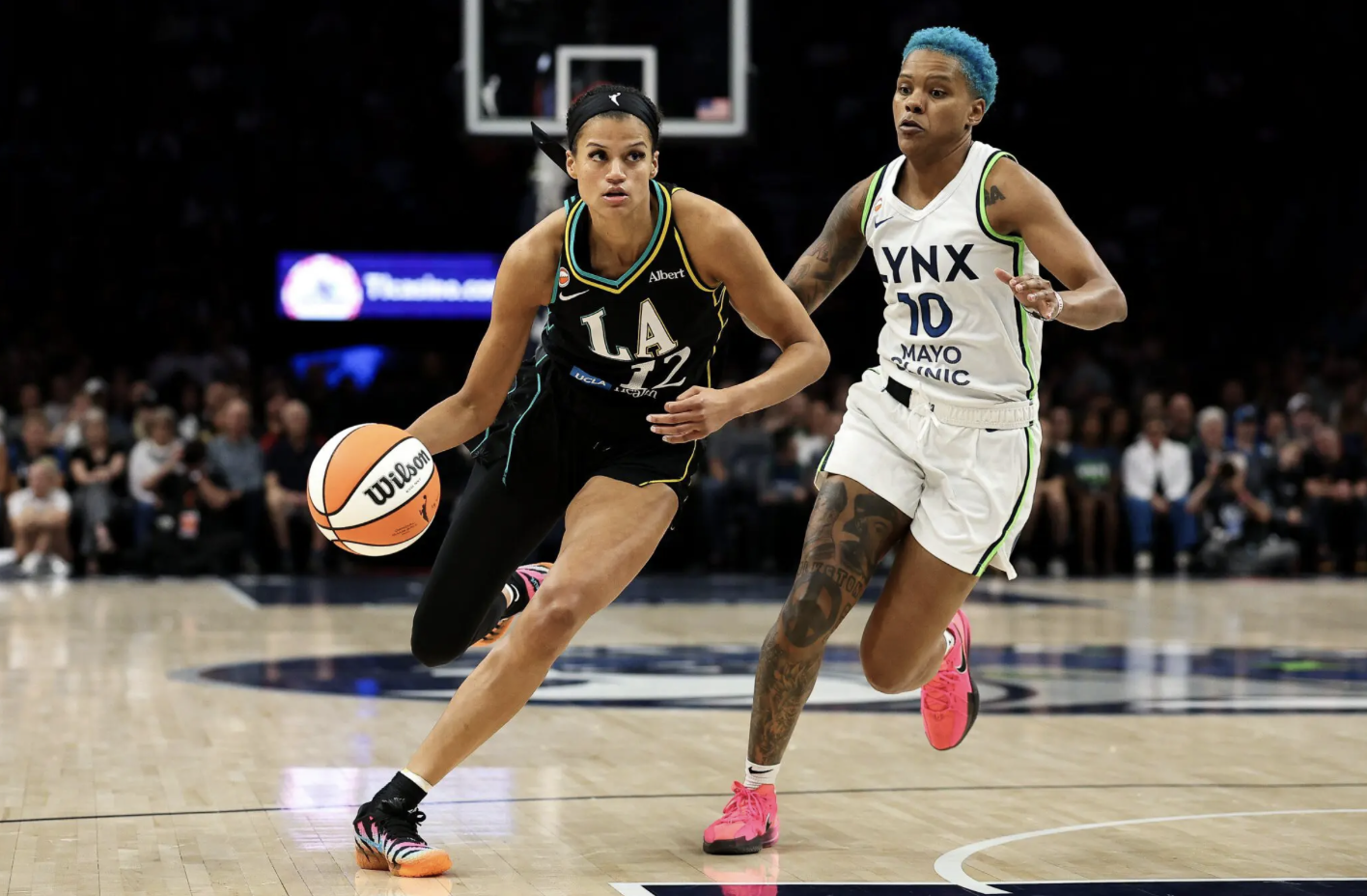
There are a few familiar faces on this Sun roster for me. I spent last season covering UCLA women’s basketball, which means I watched Gianna Kneepkens and Charlisse Leger-Walker long before I was photographing them in Connecticut uniforms. I saw the habits that don’t necessarily make a box score: the communication, the way players respond to mistakes, the work between possessions, the little things that help a team become more than the sum of its stat lines.
So when I started watching this Connecticut team, I wasn’t looking only at what was going wrong.
I kept noticing all the things that looked right, and that’s what made the results so confusing.
Late in the fourth quarter against Los Angeles, the Sparks stopped scoring altogether, Connecticut kept coming, then the buzzer sounded.
Sparks by nine.
Four days earlier, these exact teams had played each other and Connecticut had won. Same opponent. Same week. Many of the same players.
So what had actually changed?
Some teams get coupons
Basketball points all count the same. They definitely don’t all cost the same.
Some possessions are expensive. You run an action, the defense blows it up, somebody resets, the clock is disappearing, a player finally gets a sliver of space and has to make a contested jumper.
Two points.
Other possessions seem to come with a coupon. A star turns a broken play into a bucket. One pass catches the defense leaning the wrong direction and produces an open three. A player gets downhill, draws two defenders and drops the ball to somebody standing underneath the rim.
Same two points.
Much cheaper.
Watching Connecticut, I started thinking about how often they seem to be paying full price.
It’s not that nothing is working. That’s what makes them interesting.
A defender makes a great play. Someone gets a hand in a passing lane. A young guard turns the corner. The bench comes alive. The Sun make a little run.
There are plenty of moments where, if you froze the game right there, you’d think: This looks fine.
Then you watch what it takes to turn all of that into points.
That’s where the difference starts appearing.
Four days can change everything…and almost nothing.
The first Sparks game showed what Connecticut can look like when the cost comes down.
The ball moved. Leïla Lacan was creating for other people. Olivia Nelson-Ododa was productive inside. Connecticut established itself early instead of spending the night trying to climb back into the game.
They looked comfortable.
Four days later, they looked busy.
I don’t mean frantic. I mean there was work happening everywhere.
Hands in passing lanes. Players chasing loose balls. Defensive possessions being extended. Connecticut forced Los Angeles into 25 turnovers and came away with 15 steals.
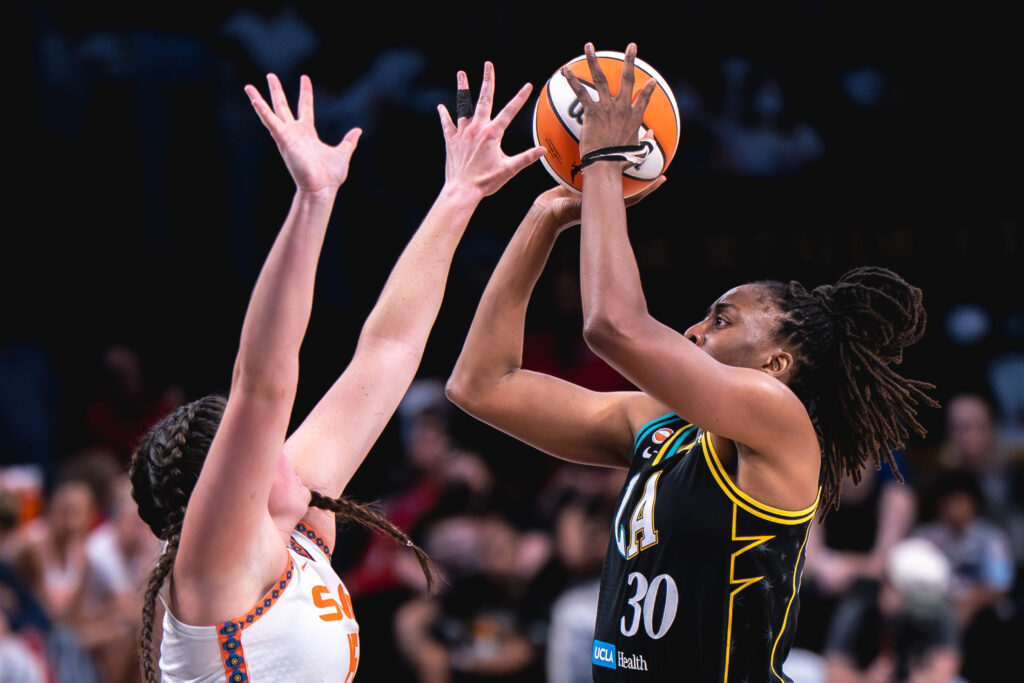
Those are the kinds of things I notice through a camera because they create moments: reaching hands, collisions, reactions, players scrambling back into the frame.

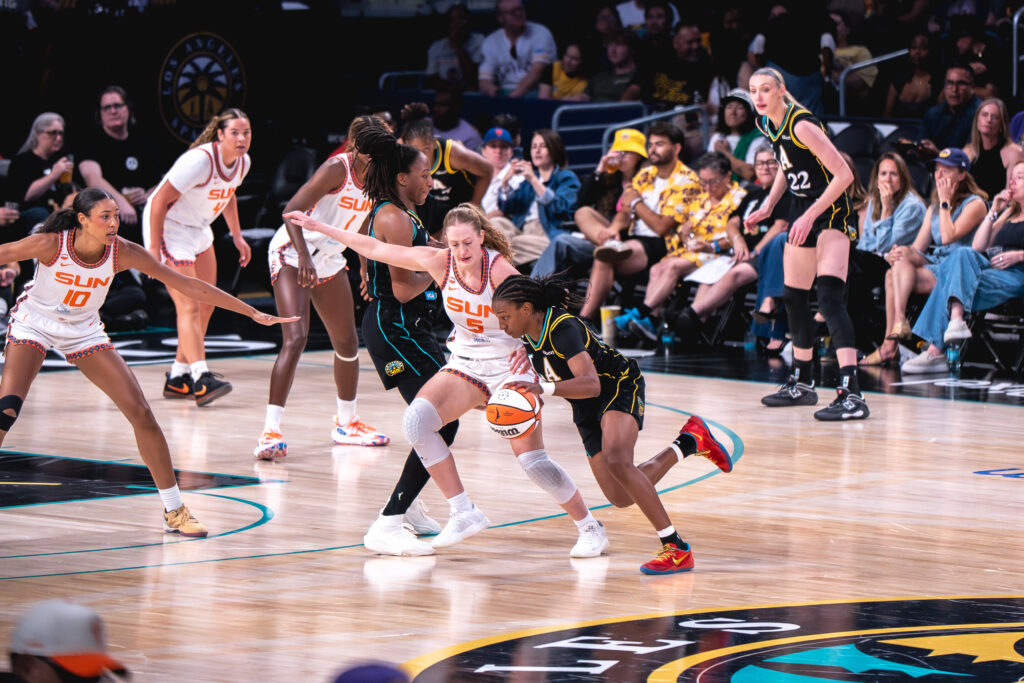
They’re also the things we’re taught win basketball games.
Except Connecticut didn’t win.
That’s where the game becomes more interesting than the box score.
Because effort wasn’t particularly difficult to find.
Conversion was.
A steal still needs to become something. A stop only creates an opportunity to score. A great defensive possession doesn’t come with points attached.
Connecticut could do something difficult and still have another difficult thing waiting immediately afterward.
I thought I might be imagining it
I’ve had this feeling watching Connecticut more than once this season.
You know where they sit in the standings, but then you actually watch them and periodically forget.
They’re down four. Then somebody makes a play. They’re tied. They get a stop. They take a lead. The game starts drifting away and somehow they pull it back.
It happened enough that I eventually checked whether I was imagining it.
I wasn’t.
In the first 27 games of the season, Connecticut spent more than 77% of its minutes within 10 points of its opponent.
That’s about as much math as we need here.
The number isn’t really the story.
It just confirms what the games look like.
Connecticut spends an awful lot of time close enough that you can see how this could work.
And maybe that’s what makes their season so revealing.
Look at what happens after the good thing
There is a particular way I want to watch the Sun now.
Not just the shot. Not just the turnover. Not just the great defensive play.
Watch what happens next.
A player gets a steal. Does it become a layup, or does the defense recover and Connecticut have to start working all over again?
They force a difficult miss. Does the next possession produce an easy opportunity of their own? Someone draws two defenders. Does the advantage immediately travel somewhere else, or does it disappear while the offense reorganizes?
The difference between teams can live in those transitions between events. And they’re incredibly easy to miss because our eyes naturally follow the exciting thing.
Great steal.
Then we mentally reset.
Basketball doesn’t.
The value of that steal is still being determined.
And maybe my Baylor and UCLA experience is part of why I’ve become so interested in that space. When you cover a team over an entire season, you stop only photographing the obvious moments. You start recognizing habits. You know who communicates after a mistake. You notice the player sprinting toward a teammate after the whistle, or the person already moving before everyone else realizes where the play is going. Which is both good and bad, you see details but also sometimes you get tunnel vision because when you’re really zoomed in, you can only see a small area at a time. So really, you HAVE to learn some of these details in order to better anticipate where to look when your field of vision is limited at times.
But then, you can see how the little things accumulate into a team’s identity.
Now I’m watching some of those players enter the WNBA, where the margins are smaller and the punishment for those little things is much larger.
The good habit is still good. It just has to produce more.
Maybe that’s what good teams actually buy
We talk about great teams as though they’re simply capable of doing more good things.
Maybe part of being great is getting more value out of the good things you’re already doing.
A stop becomes a runout. A double team becomes an open shooter. A mismatch becomes an immediate action instead of something everyone has to recognize and organize around. One good thing starts paying for the next one.
The best teams make incredibly difficult basketball look inexpensive.
Connecticut has often shown the opposite side of that equation. There are stretches where you can practically see the labor involved.
And I don’t think that’s an indictment of the players. In some ways, watching Kneepkens and Leger-Walker here after watching them at UCLA makes that especially apparent to me. The WNBA isn’t simply college basketball with better players. Advantages close faster. Mistakes get punished faster. The thing that worked a second ago can already have a counter waiting for it.
Some of what we’re watching is a team, and particularly its younger players, building the shortcuts that experienced teams already have. Those shortcuts aren’t laziness. They’re chemistry. Recognition. Trust. Repetition.
Connecticut was competitive in this game, but got down and couldn’t get all the way back.
On paper, that’s another loss.
Through a camera, it looked different.
There were hands reaching into passing lanes. Players communicating. Bodies hitting the floor. Teammates reacting. Young players processing things between possessions. Moments when Connecticut looked completely capable of playing with the team across from them.
And then there were all the little moments in between.
The extra work.
The possession that didn’t quite cash in the one before it.
The good thing that didn’t automatically lead to another good thing.
Maybe that’s the part of Connecticut’s season worth paying attention to. Because sometimes the difference between teams isn’t who can create the good moment.
It’s who can make that moment pay for the next one.
And right now, the Connecticut Sun are still paying full price.