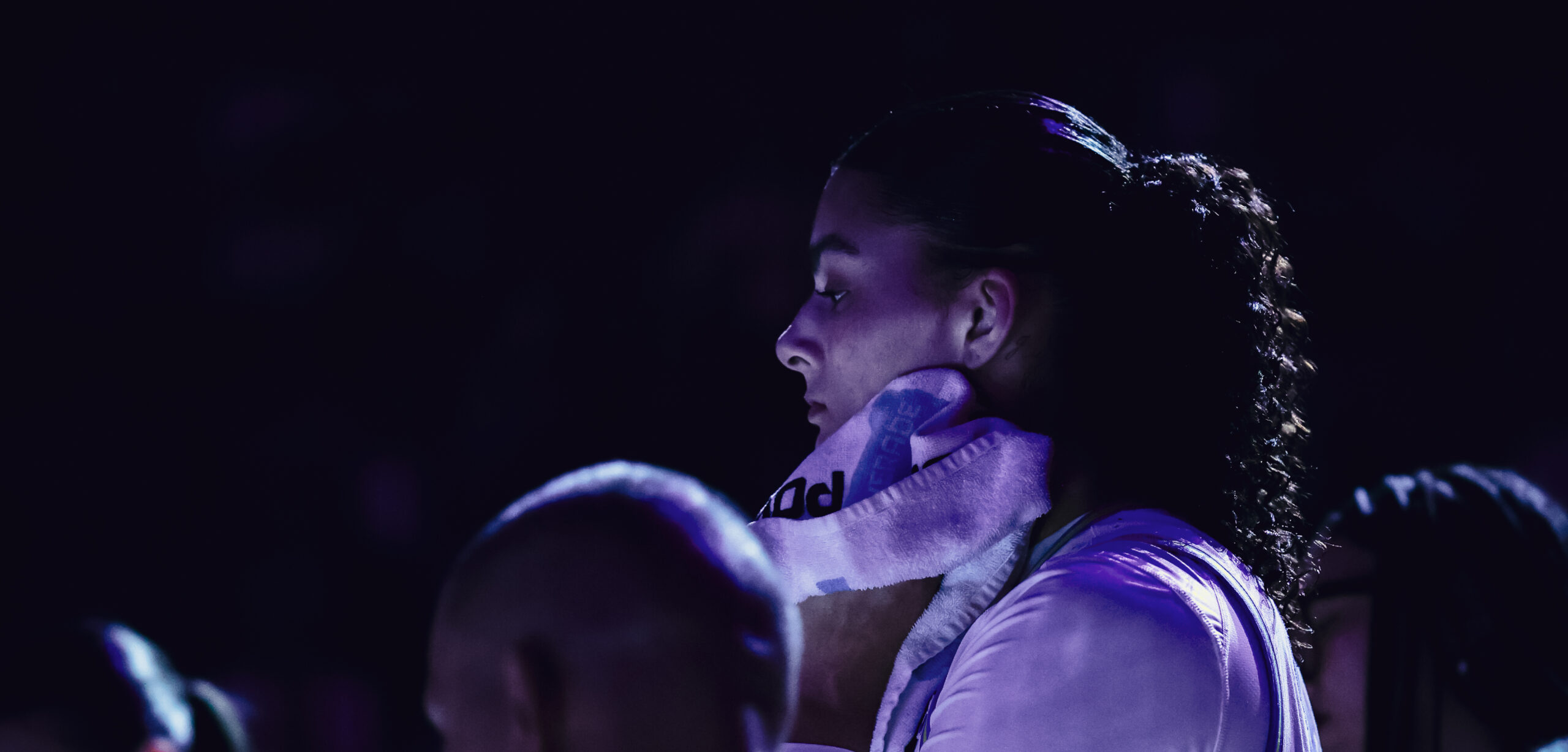
There’s a moment every sports photographer and videographer knows, but rarely talks about.
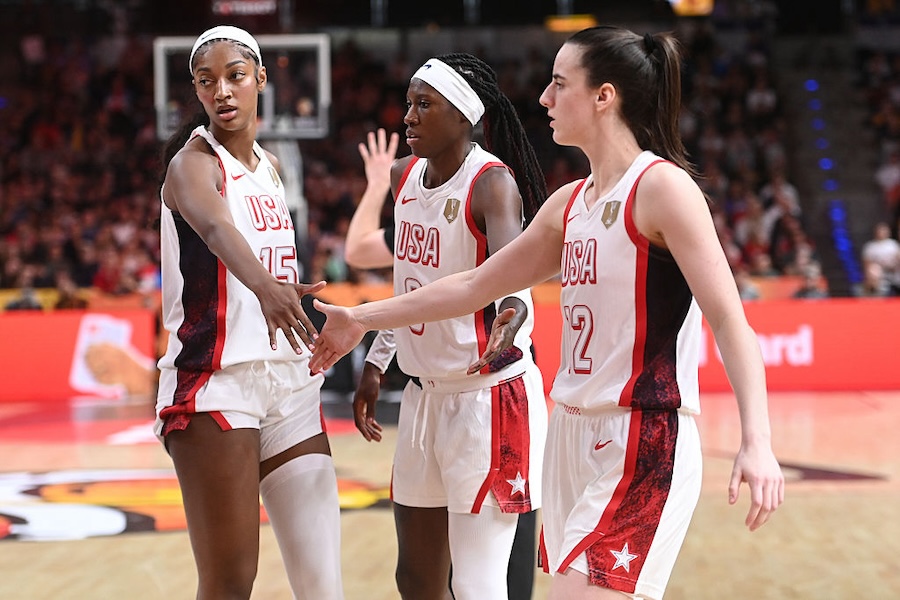
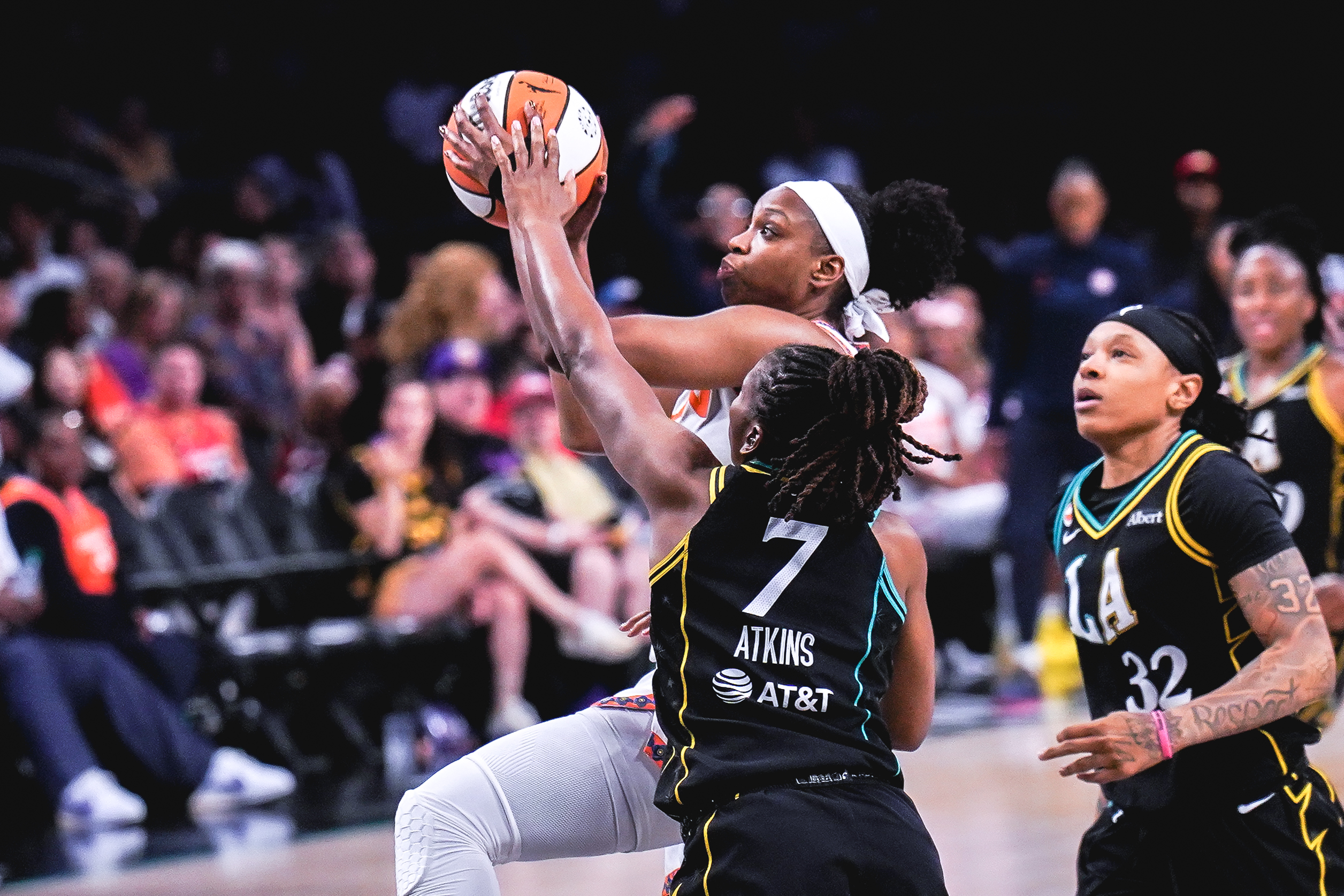
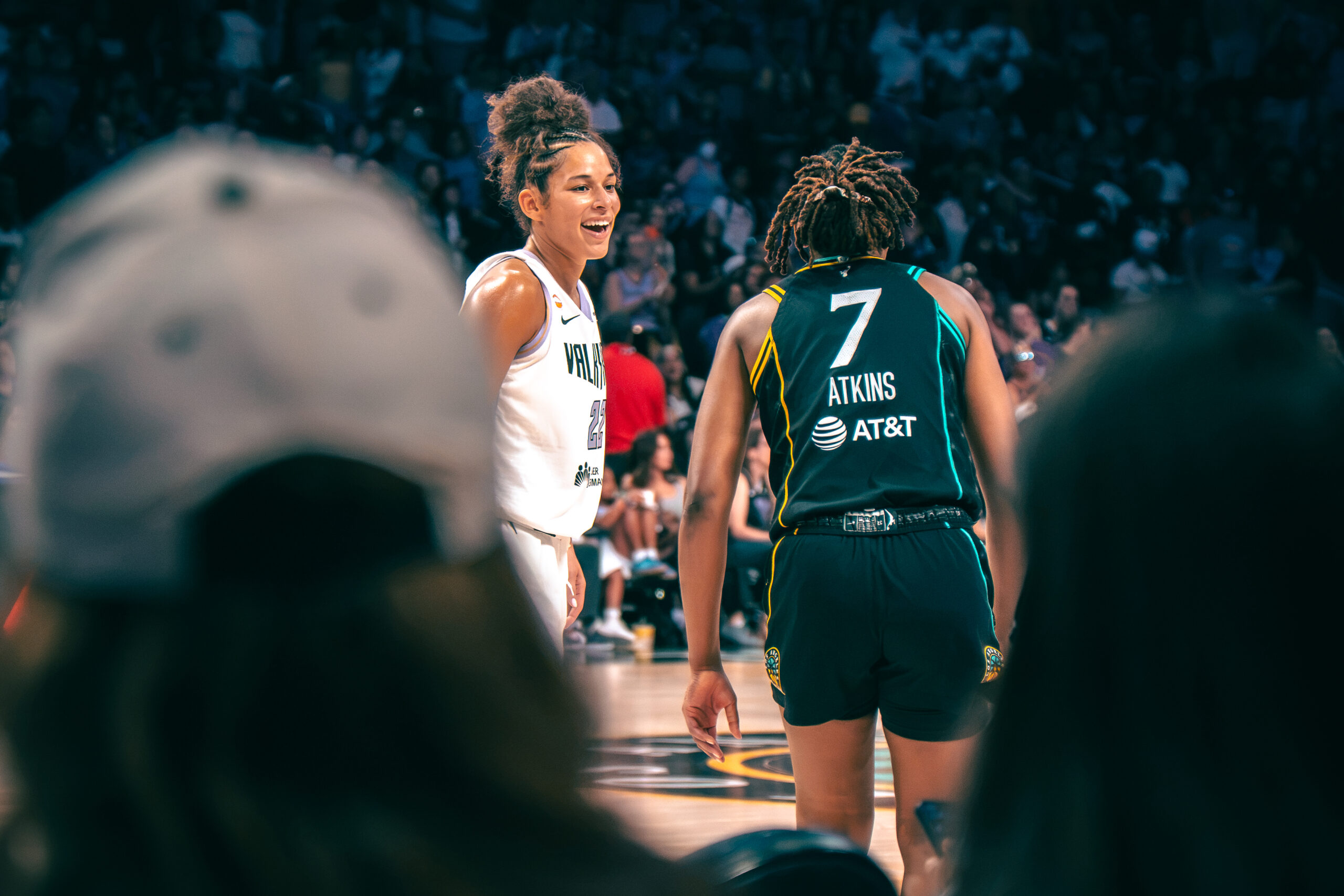
You’re in position. Something real is happening: it’s a huge celebration and everyone is jumping around hugging and smiling. *click* “Awesome, I got a great shot!” next time it’s smaller, touching moments that less people see, like two teammates exchange a look or put their arms around each other. *click* “Nice, what a wholesome moment!” But the next time, it’s the raw, unguarded thing that happens when competition goes wrong or hits too hard or strips someone down to their core. Your camera is up. Your finger is on the shutter. At that moment, you have a decision to make.
This is a big part of our jobs as media personnel in sports.
Don’t get me wrong, documentation matters across the board. These moments — the good ones as well as the losses, the frustration, the struggle — are all part of the story. Only capturing the good things would be inaccurate, so you shoot on. But you do it with your whole self present, not just your technical skills. You read the room, you read the moment, you read the person. Thankfully it’s not always as serious as a second choice, and you can just decide what to share once you’re in the edit room. However, that is a luxury that you aren’t ways afforded, and you have to be prepared either way.
Picture yourself in the middle of these circumstances: A #1 national seed team is eliminated in the first round of NCAA Regionals, heartbreak written in so many degrees on every face. You see Kim Mulkey in an intense sideline moment. A basketball player sitting on the bench after a tough mistake makes eye (or lens) contact with you. How would you react? Or maybe the better question is how would you feel if you were the one in front of the lens instead? In each of those moments, you make a choice, and nobody is given a rulebook. You’re thrown in to a unique position with a camera in your hand where you are both partially a participant and partially and observer. These are real people in front of you, and they don’t exist in a vacuum.
But the moment I think about most happened on a tennis court. I was shooting video a player I was personally friends with. Things weren’t going well. After a bad point she looked over at me, just for a second, and the look said everything. Not with words. Just with her eyes. “Please tell me you didn’t get that.”
I put the camera down.
I stayed for a few minutes and just watched with the camera still down, hoping the match would take a positive turn and I’d get to capture a great comeback moment. When it didn’t, I moved to another court. Not just that so she wouldn’t see my camera, but so she could just be a competitor in a hard moment without carrying the extra weight of knowing she was being watched.
That felt like the right thing to do. It still does.
And then there are the moments that were never meant to be seen at all, let alone recorded. Private conversations. Emotional exchanges between people who have no idea anyone is looking. In every arena, every locker room, and every sideline, those moments happen more than you’d think. When you’re credentialed or have team access, you’re most likely going to see something raw or unexpected. Most of these instances are things that I’ll never share, and that’s not a failure of journalism, that’s what it means to be trusted with access.
Yes, you’re there to document, but there’s a version of someone in this job that just does that without thinking. I can’t control what my peers do, but I try not to be that version.
I competed at the D1 level, and I know something about what it feels like to to be in these situations. The vulnerability of it, the exposure, the way your body and your face and your emotions become visible to everyone around you whether you choose that or not. I know what it’s like to be in a low moment with people watching. I know the difference between being documented and being witnessed. One feels like evidence. The other feels like someone is actually seeing you.
That’s the difference I try to make with a camera. I am always looking to capture the story, but most of all I want to capture the essence of sports that everyone loves: joy and connection. Those are always my favorite shots, and mean more to me than any “tough pic.”
That trust from coaches and athletes isn’t just given. In fact, most people are skeptical of who you are and what your motives are by default, especially as you get to more high-profile and professional teams. Which is honestly totally fair and they’re right to be cautious. Trust it’s built slowly, through dozens of small decisions that nobody sees except the people you made them for. A moment you chose not to film. A shot you took but never used. A look you answered by walking to another court.
Those decisions are the job, as much as anything else.
I owe the people I photograph and film my best. Not just my best technical work, but my best judgment, my best empathy, my best understanding of what they’re going through. I’ve been a competitor. I know what it feels like to be on that side of the lens. And I always want to treat them the way I would have wanted to be treated when it was me out there: as a real person, doing something real, and deserving of the dignity that comes with that.
The moments that matter most are both the ones everybody sees, and the ones nobody sees.
And sometimes that’s determined by a person with a camera that made a choice.